
⚽The Underrated Edge
Why set pieces win titles, and what you can take from that for your own team

Hallo und herzlich willkommen zur neuesten Ausgabe unseres Newsletters! In dieser Ausgabe stehen folgende Themen im Fokus:
⚽The Underrated Edge
👉 New module: From principles to game plan
⚽The Underrated Edge
“He changed our throw-in game completely.” — Jürgen Klopp on throw-in coach Thomas Grønnemark
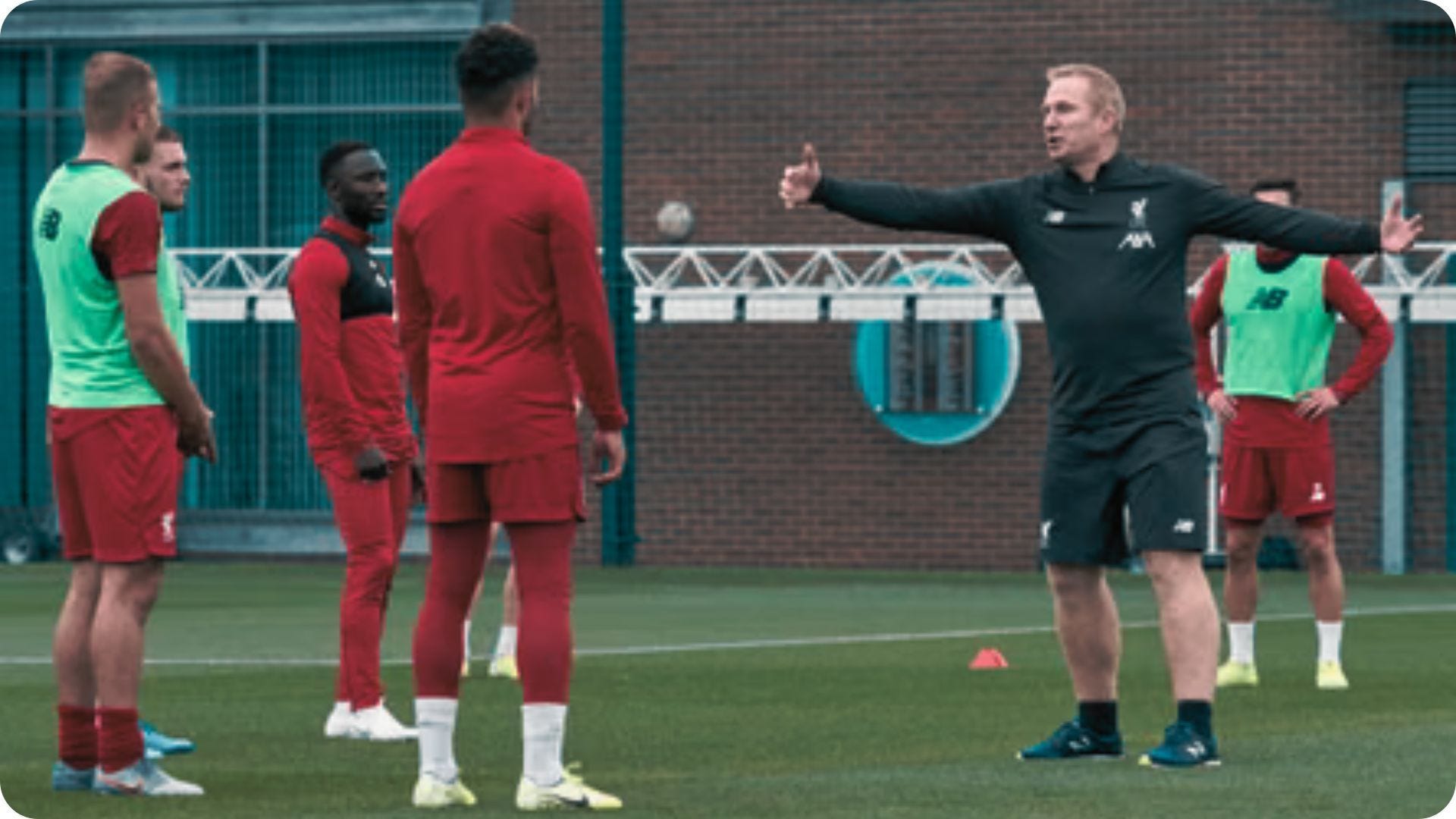
A throw-in coach. When Liverpool hired the Dane Thomas Grønnemark back in 2018, half of England laughed. Nobody’s laughing now. And this season, another team showed exactly where this is heading.
The number that changes everything
Arsenal are champions. For the first time in 22 years. And if you had to sum up the season in a single number, it would be this:
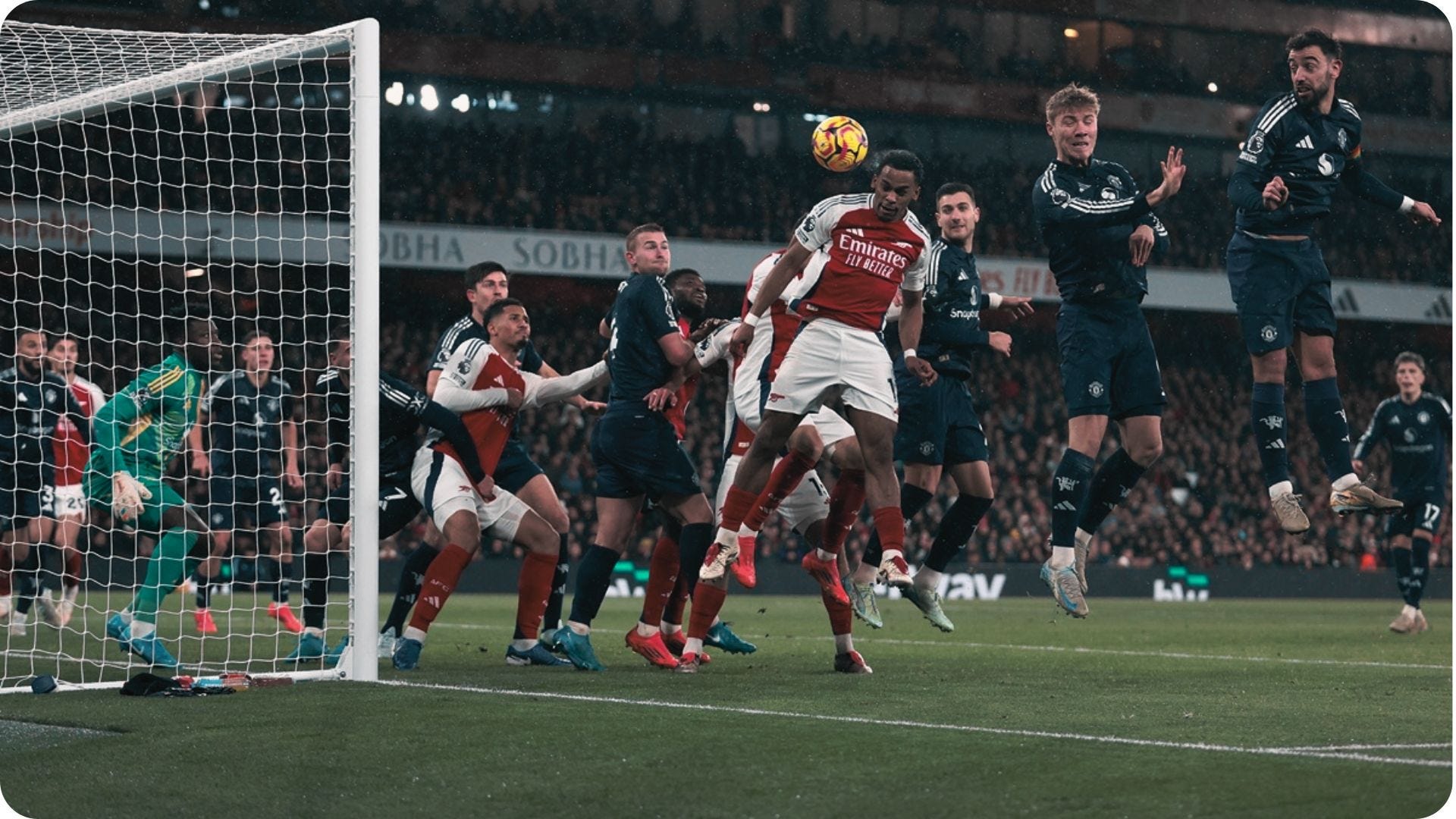
19 goals from corners. A Premier League record.
Roughly a third of all Arsenal goals came from set pieces. League-wide it looks similar: this season around 30% of all Premier League goals came from dead-ball situations, the second-highest figure in the competition’s history.
And now the uncomfortable question for you as a coach:
What percentage of your training time goes into set pieces?
For most amateur teams, the honest answer sits somewhere between 0 and 5 percent. A third of all goals, almost no training time. That is the underrated edge.
Why now? Look at the World Cup
The World Cup is on, and tournaments are the perfect shop window for this topic. Why?
Short preparation time. A national team manager has just a few weeks to mould a side. Drilling complex playing principles is barely possible. But one corner routine? One throw-in pattern? That can be put together in a handful of sessions.
Tight games. Knockout matches are often tactical stalemates. Both teams are well organised, very little comes from open play. That is exactly when set pieces decide things.
Sound familiar? That is the situation of every amateur coach. Little training time, tight games, small margins. What holds true for national team managers at a World Cup holds doubly true for you: set pieces are the area with the best return on investment.
Key thing to understand
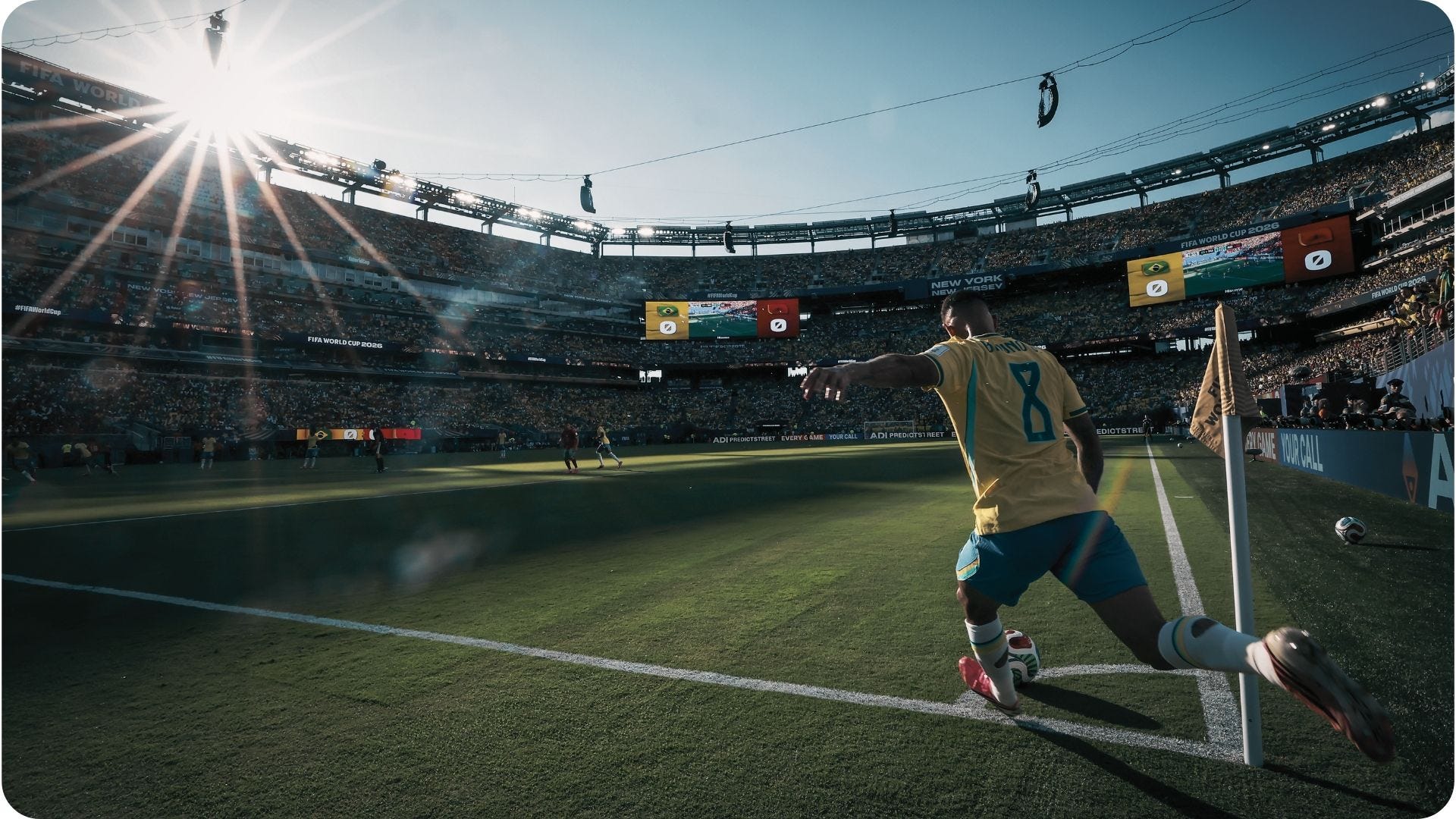
A set piece is the only moment in the game you can fully control as a coach.
In open play your players react to a situation that never looks the same twice. At a corner, a free kick or a throw-in, YOU decide: who stands where. Who runs where. Who sets the block. Who covers the rest defence.
Set pieces are predictable, repeatable and trainable. That is exactly why they are the area where a well-prepared team can beat an individually stronger opponent.
The forgotten set piece: the throw-in
Some teams at least look at corners and free kicks now and then. But the throw-in? In amateur football it is almost never worked on. And yet:
There are 40 to 60 throw-ins per game, more than any other set-piece situation.
The number of long throws into the box has more than doubled in the Premier League this season (from 1.5 to nearly 4 per game).
A long throw into the box is effectively a free corner, without having to win one first.
The Grønnemark story shows what is possible: in his first season at Liverpool, the team improved their ball retention from throw-ins under pressure from 18th to 1st in the league. Same players, same manager, just one situation deliberately trained that nobody had bothered with before.
And the trend keeps going: since January, Grønnemark has been advising none other than champions Arsenal. The best teams in the world look for their edge precisely where others don’t.
Training set pieces: two mindsets compared
❌ How most teams do it
Set pieces “just happen” in the scrimmage
Whip it in and hope
10 routines, all half-learned
Everyone stands wherever they fancy
Throw-in = get the ball back in somehow
Defending set pieces left to chance
✅ How the best do it
Set pieces have a fixed slot in the weekly plan (10–15 min)
A rehearsed routine with clear roles
2 routines, both nailed
Fixed roles: taker, blocker, target, second ball, rest defence
Throw-in = a planned situation with passing options
Clear zonal/man assignments + second-ball cover
What does this mean for you as a coach?
This is where it gets concrete. Three things you can put in place this week:
1. Build in the set-piece circuit (10–15 minutes)
In your pre-match session, set aside a fixed block for set pieces. Crucial: make it competitive. Team A attacks, Team B defends, then switch. Points for every routine executed cleanly, points for every situation cleared. That keeps the intensity high and the players take it seriously.
2. Rehearse ONE corner routine, but properly
You don’t need ten routines. One is enough to start. Tried, tested and simple:
The near-post flick-on:
Taker: sharp, flat delivery to the near post
Target 1: starts late, attacks the near post, flicks it on with the head
Targets 2 and 3: attack the far post and the penalty spot
Blocker: sets a screen on the marker of your target (keep it legal: stand, don’t push!)
Second-ball runner: lurks on the edge of the box, where most cleared balls land
Rest defence: 1 or 2 players stay back to cover the counter-attack
Coaching point: movement first, ball second. The runs start BEFORE the taker swings the cross in, not after.
Pro detail to borrow: Arsenal use simple signals (for example a hand gesture from the taker) to switch between routines. You can copy this one to one, one signal for near post, one for far post.
3. Turn the throw-in into a weapon
Two simple rules that pay off immediately:
Rule 1, create space with a counter-movement: the classic in amateur football is everyone standing still at the throw-in, all marked. Coach this instead: first take two or three steps AWAY from the thrower, then explode back to meet the ball. Or the reverse. Whoever moves becomes an option.
Rule 2, the long throw in the final third: got a player with a big throw? Then every throw-in near the opposition box is a corner. Same structure as the corner: a flick-on man at the near post, two players in the middle, a second-ball runner on the edge of the box. Small pro trick: leave a towel with the kit man so the ball stays dry and grippy.
Coaching point for defending: the same applies at the back, clear roles. Who has the target man? Who has the second ball? And just as important: always keep 1 or 2 quick players high up the pitch, they are your counter-attacking outlet once a set piece is cleared.
Key thing to understand
The biggest mistake in set-piece training isn’t the wrong routine, it’s a lack of repetition. A routine trained once a month doesn’t exist on matchday. A routine trained 10 minutes every week runs on autopilot when it matters.
Better two routines your players could run in their sleep than ten nobody knows.
The takeaway: your cheapest win
Watch the tight games at this World Cup. Count how many goals come from corners, free kicks and long throws. You’ll be surprised, and you’ll understand why clubs now hire specialists just for these moments.
You don’t have a set-piece coach. But you have something just as valuable: 10 minutes a week and a plan.
A third of all goals come from set pieces. Go and claim your share.
See you next week, and good luck on matchday!
👉 New module: From principles to game plan
At its core, this article was about one simple idea: you define something once, and after that it almost runs by itself every week. With set pieces that’s a rehearsed routine. But the same logic applies to your whole game.
Because let’s be honest: your game idea lives in your head. You know exactly how your team should defend, build up and transition. But you’ve probably never actually written it down and pinned it down. That’s the most common blind spot in amateur and youth football, and it’s exactly where our new module comes in.
Imagine your whole matchday built on a clear foundation:
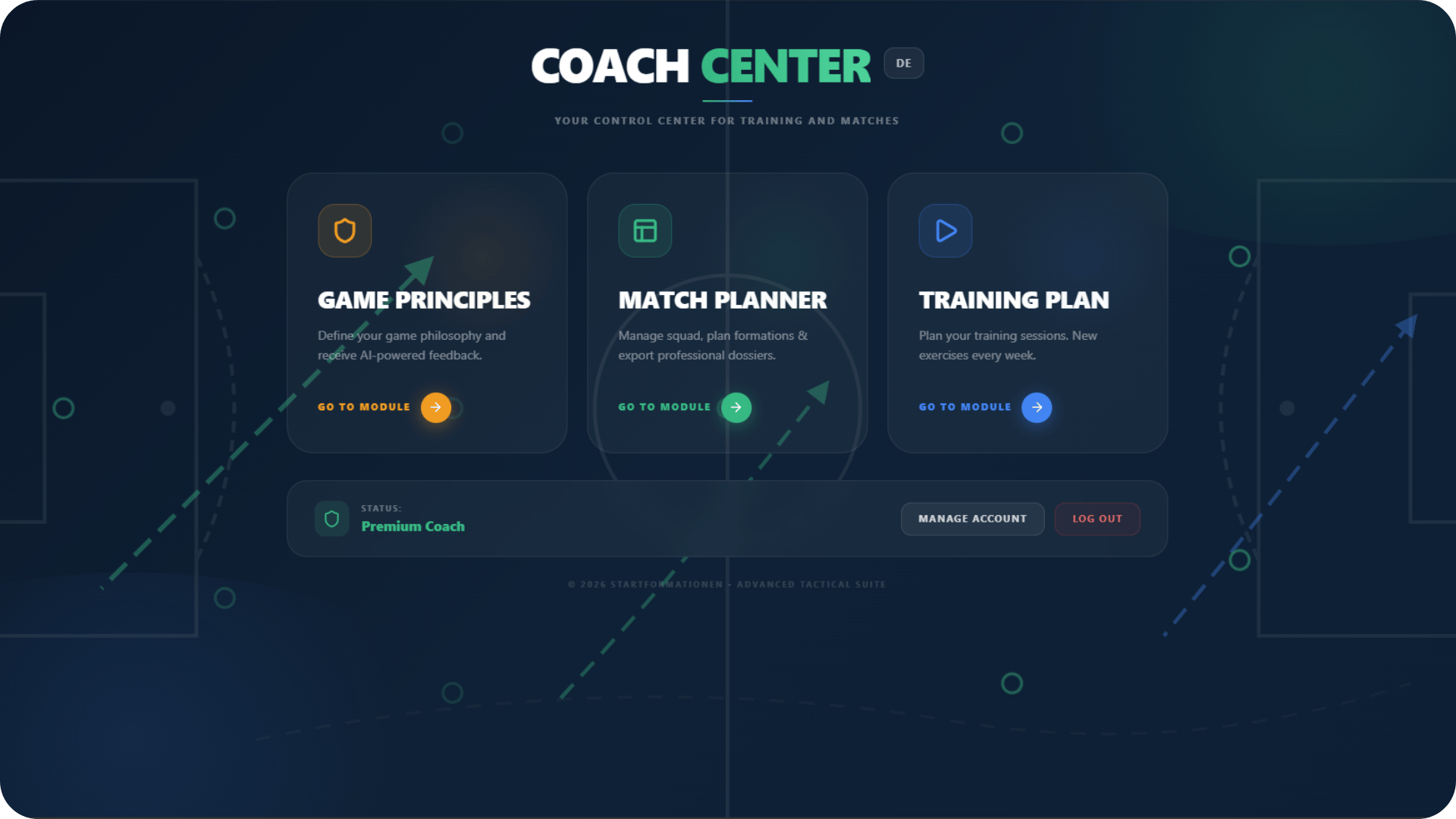
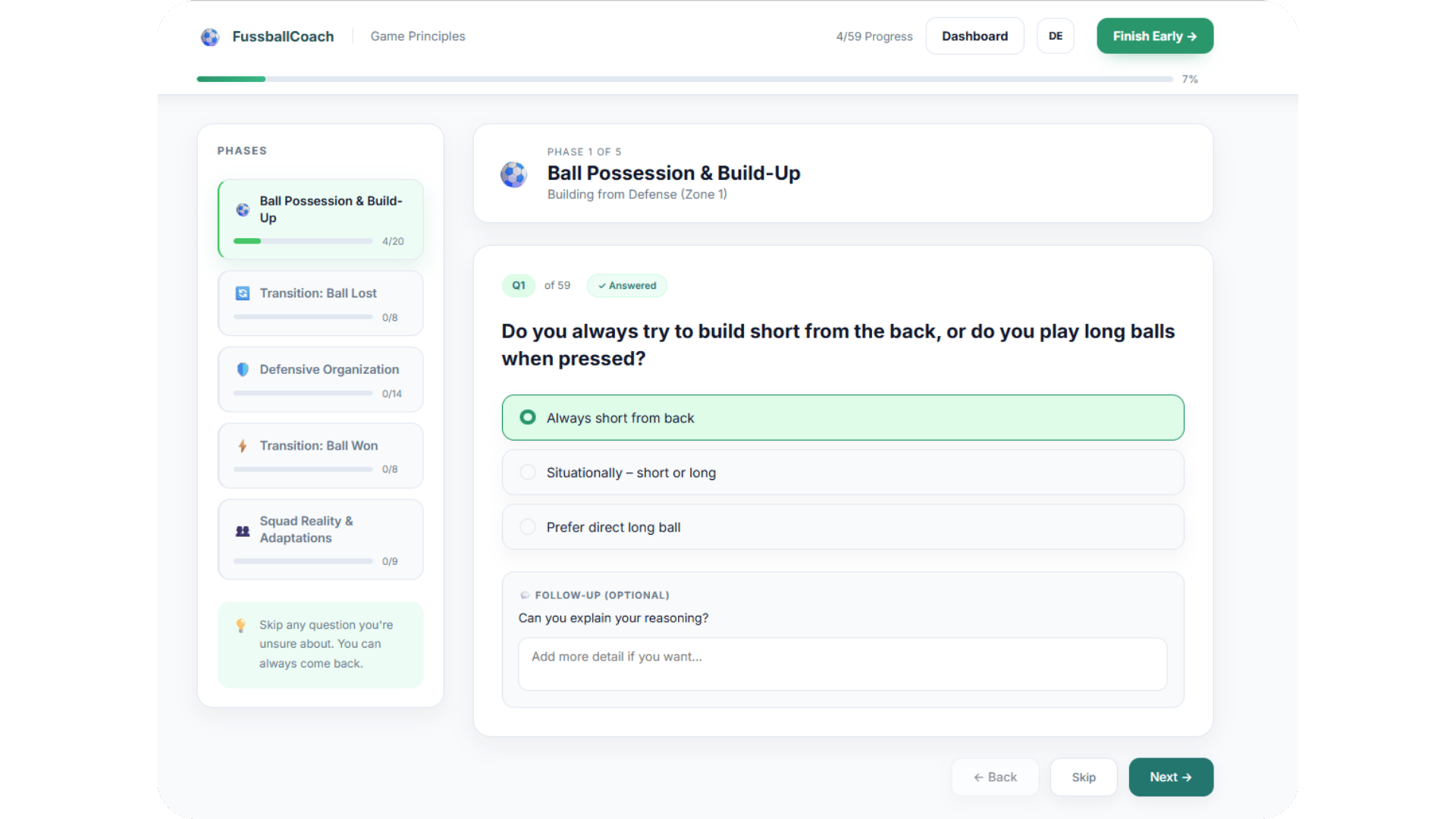
Define once what your football is. In the Playing Principles Builder you answer focused questions across all four phases of play. Your AI assistant helps you turn those answers into your own playing principles, cleanly put into words. At the end you have a clear, personal profile of your game idea. You do this once, and it stays your foundation for the entire season.
Build on it every week. In the Match Planner you enter your opponent and your available players, just like before. Nothing new to learn, your usual workflow stays the same.
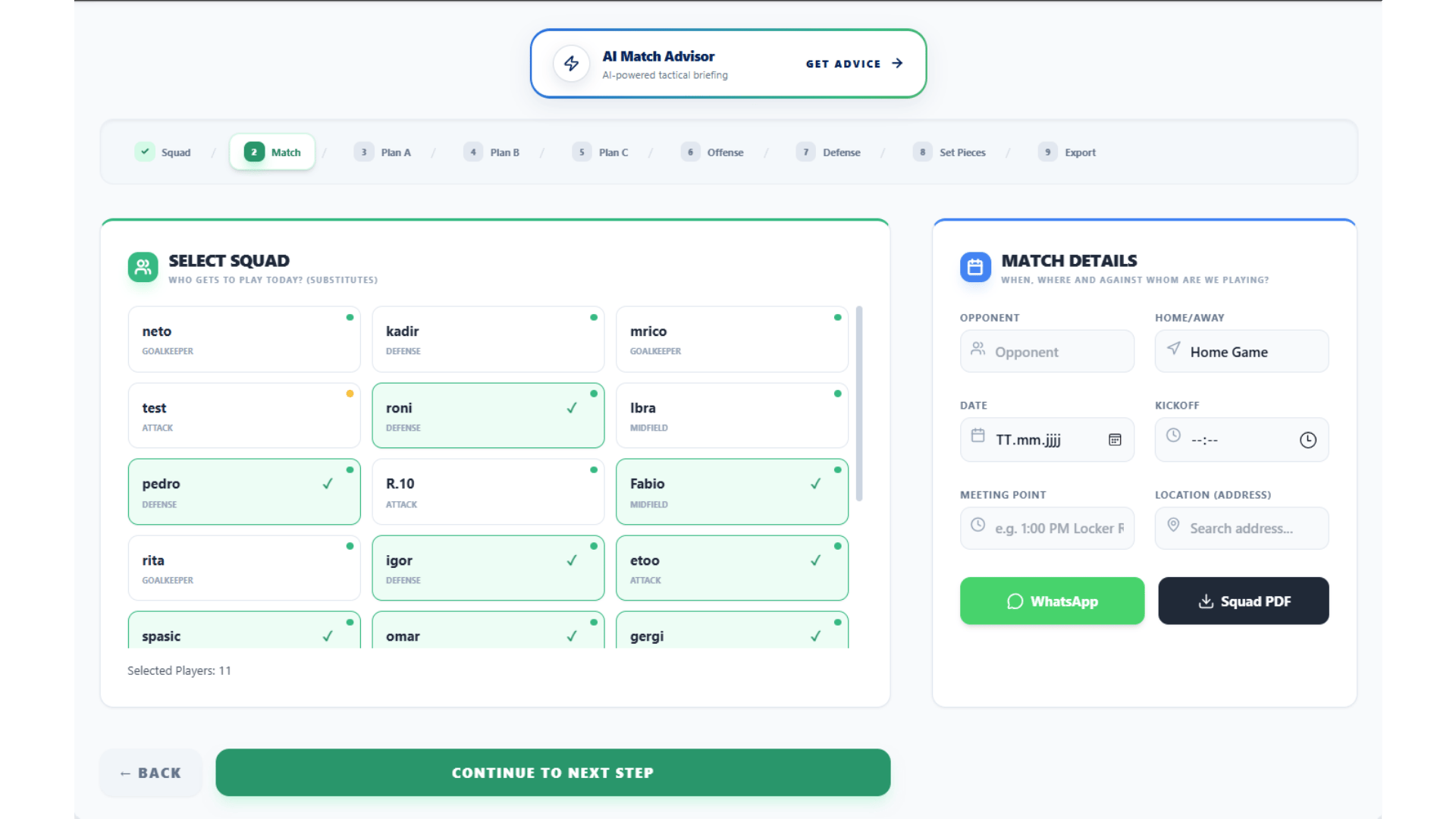
Get a suggestion at the push of a button, tailored to YOU. Through the AI button in the Match Planner you get advice for your next game directly. The key part: the AI doesn’t guess in the dark, it draws on your saved playing principles and suggests a tactical approach for this specific opponent, always within your own game idea. You make the final call. The AI is your sparring partner, not your boss.
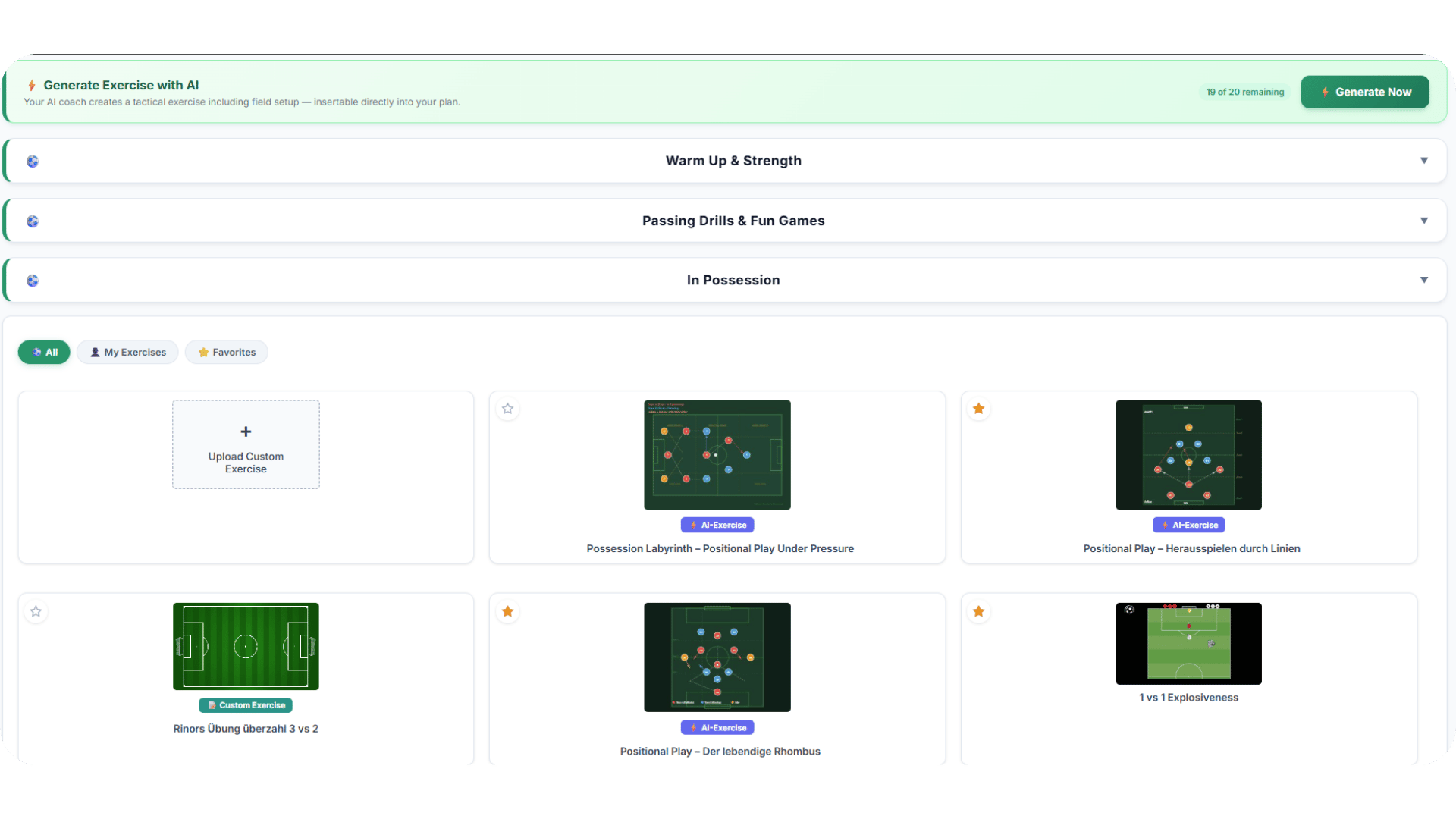
And the Training Planner? It’s still part of the package. You can tap into a library of existing drills, but you can also save your own drills and build up your very own exercise database that only you can see. And when you’re running low on ideas, you let the AI inspire you and get fresh drill suggestions for your session.
All three modules are included in your subscription, at the same price. Try the Playing Principles Builder and feel for yourself how much calmer and clearer your work becomes once the foundation is in place.
Nice set pieces are key just look at teams in the premier league last season